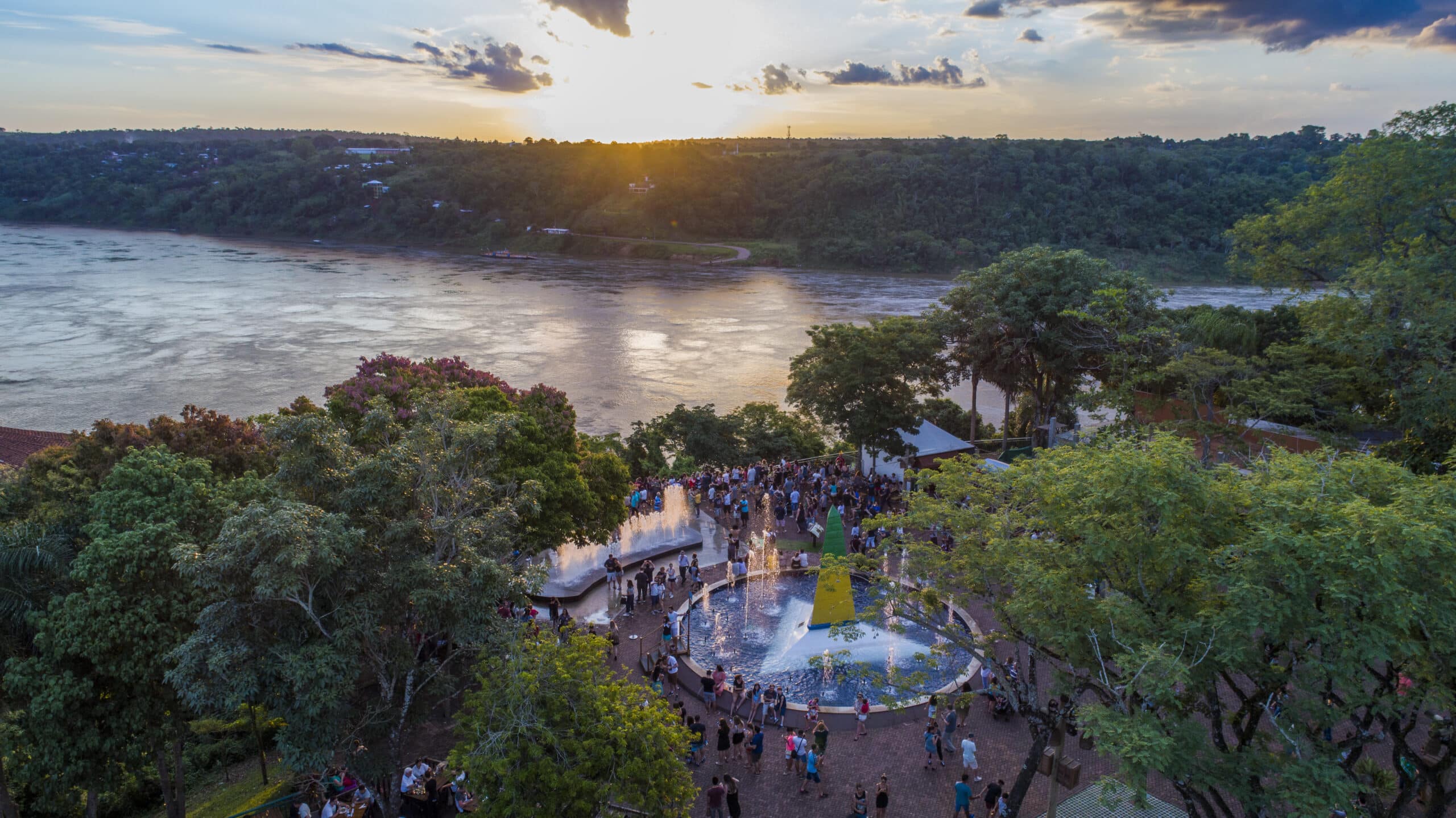
As Valentine’s Day approaches, global travel research continues to highlight a structural shift toward experiential and nature-based travel. The Experiential Travel Trends 2026 report by Accor and Globetrender identifies growing demand for emotionally immersive trips centered on wellness, shared activities, and meaningful engagement with place.
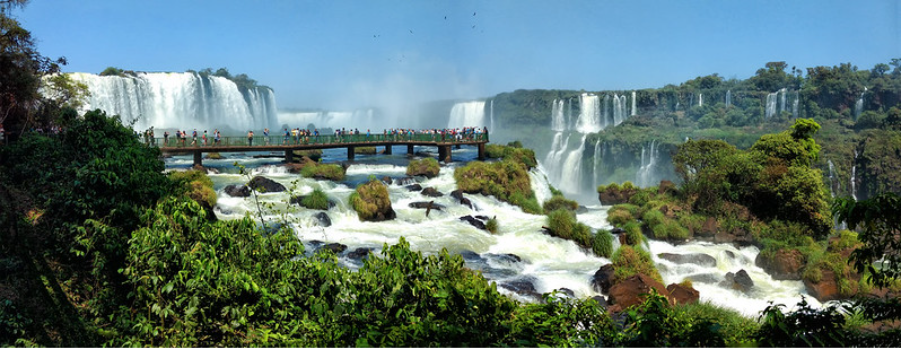
Similarly, American Express Travel’s annual global trend report notes that travelers are increasingly prioritizing memory-making experiences over transactional itineraries, with outdoor environments and cultural depth ranking high in trip planning motivations.
Within this broader behavioral shift, biodiversity-rich destinations with protected status are experiencing measurable growth. Iguassu Falls, in southern Brazil, recorded more than 5.8 million visitors across its principal attractions in 2025, representing a 48% increase compared to the previous year. Iguaçu National Park, home to the waterfalls, surpassed 2 million annual visitors, marking the highest attendance in its history.
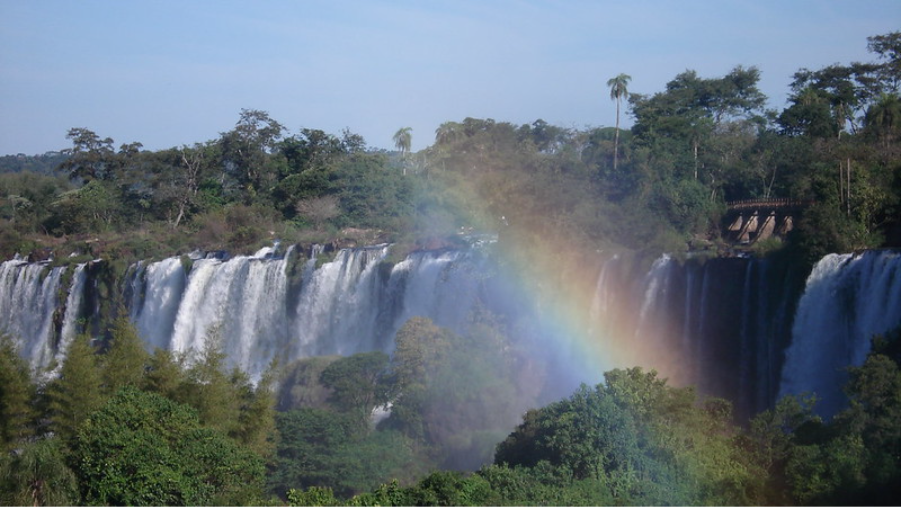
The momentum extends beyond the park. In 2025, the state of Paraná reached an unprecedented milestone of 1 million international tourists, with Iguassu Falls leading the growth trajectory.
This growth coincides with two major milestones in 2026: 87 years since the creation of Iguaçu National Park and 40 years since its designation as a UNESCO Natural World Heritage Site in 1986. The anniversaries underscore the site’s long-standing conservation framework at a time when global travelers are placing increased value on destinations that balance environmental protection with managed access.
Industry analysts describe the rise of experiential travel as part of a broader transformation in traveler behavior, in which outdoor immersion, environmental interpretation, and meaningful interaction with natural landscapes increasingly outweigh traditional sightseeing formats. Protected ecosystems and destinations with structured visitor management systems are gaining prominence within this shift.
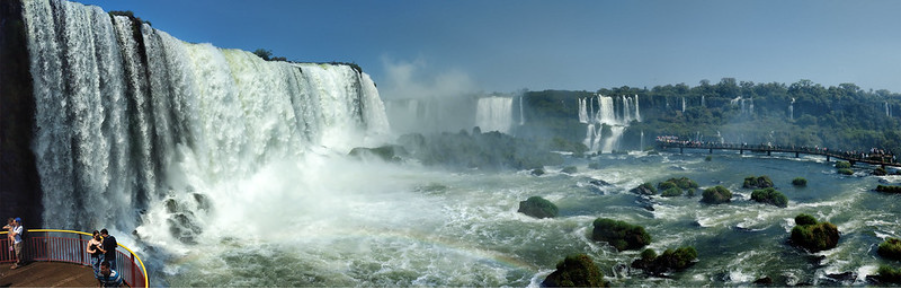
In this context, Iguassu Falls’ regulated visitation model, conservation legacy, and international recognition position the destination within the global movement toward sustainability-oriented and experience-driven tourism. As seasonal moments such as Valentine’s Day approach, the destination reflects how milestone travel increasingly centers on immersive engagement with nature rather than conventional celebrations.
Entering 2026, Iguassu Falls does so not only commemorating nearly nine decades as a protected national park and four decades as a UNESCO-recognized natural heritage site, but also demonstrating measurable tourism growth aligned with evolving international travel dynamics.
🔸Learn more: https://brasildna.com/
🔸· Instagram: @brasil.dna
🔸· Facebook: facebook.com/brasil.dna
For additional information, contact:
🔹 Gisele Abrahao – gisele@globalvisionaccess.com
🔹 Anna Cecilia Santos – anna.cecilia@globalvisionaccess.com