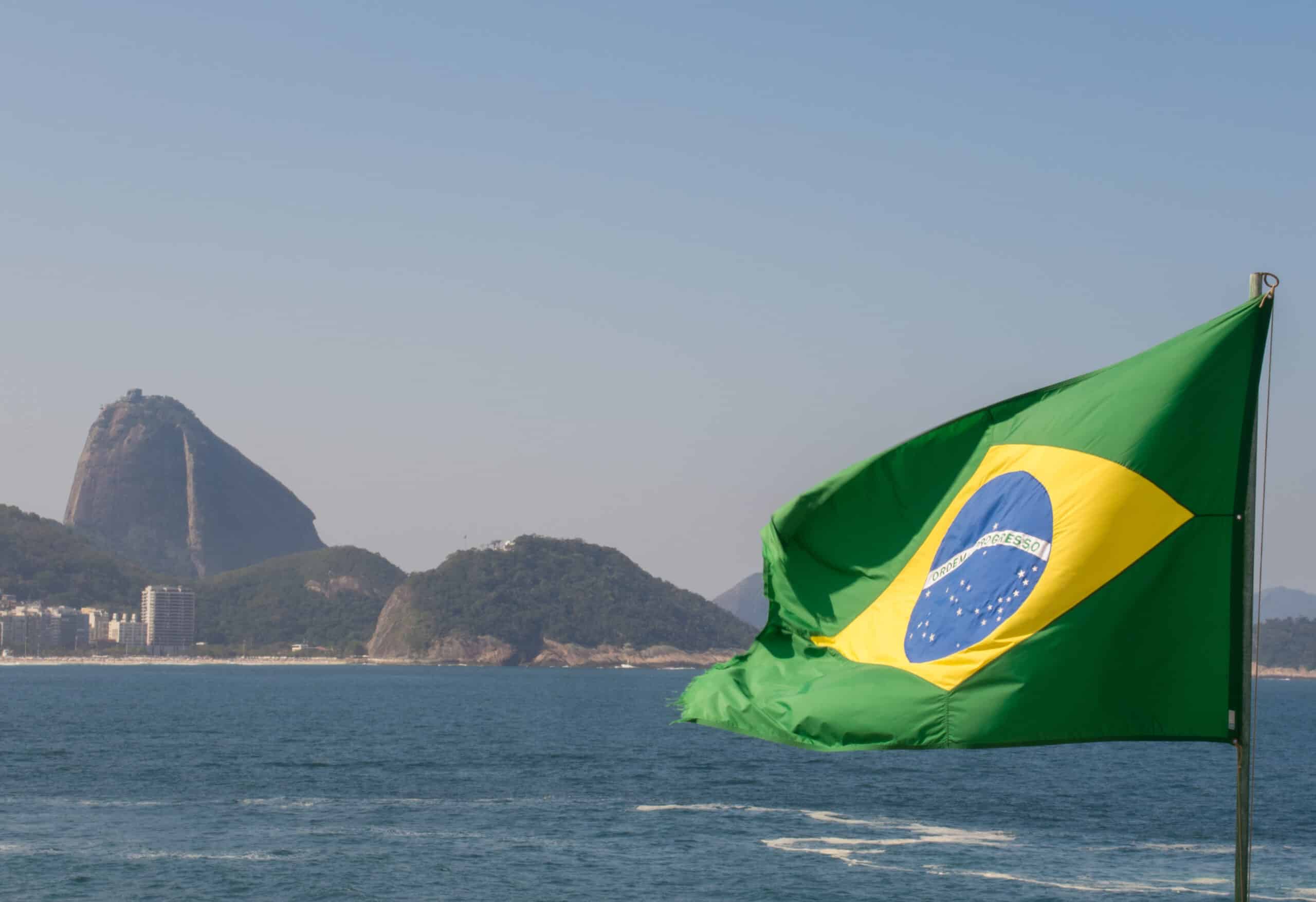
Brazil has established itself as one of the great highlights of international tourism for its exuberant nature and unique biodiversity. However, its richness goes far beyond its landscapes and is also revealed through its cuisine, where flavors, techniques, and ingredients express the multiculturalism and ancestry present in every dish.
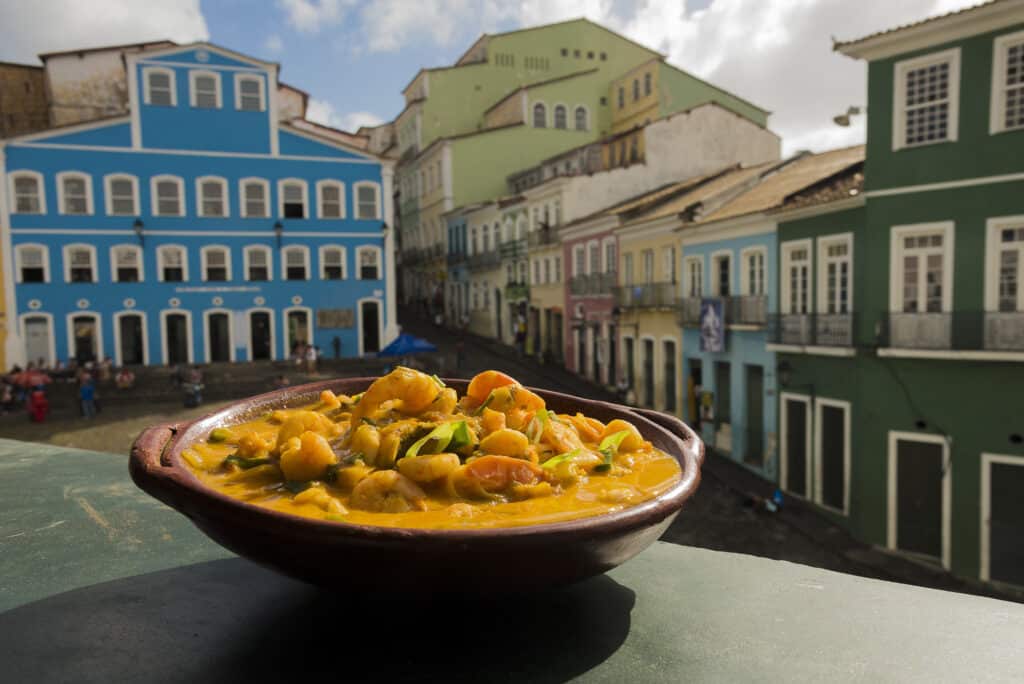
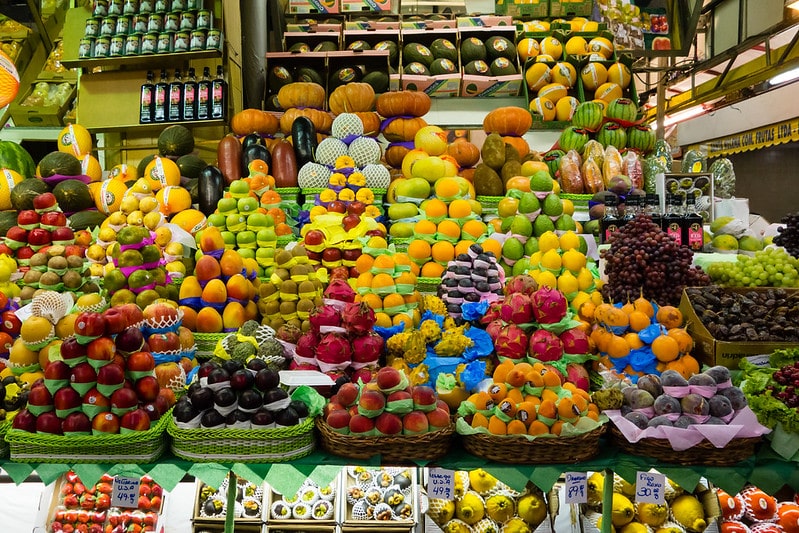
Brazilian gastronomy is, therefore, a direct reflection of the cultural encounters that have shaped the country over the centuries, bringing together Indigenous, African, European, and influences from different waves of migration.
This diversity is strongly expressed across the country’s regions. In the Northeast, cuisine reflects the strength of Indigenous, African, and Portuguese influences through ingredients such as cassava, sun-dried beef, coconut, dendê oil, corn, and seafood, found in dishes such as acarajé, moqueca, baião de dois, and buchada, as well as preparations like tapiocas, cocadas, and pamonhas, which reveal ancestral knowledge and the richness of popular cuisine.
In Minas Gerais and Rio de Janeiro, gastronomy takes on both comforting and diverse characteristics. In Minas, it is shaped by countryside traditions, wood-fired cooking, and recipes dating back to the colonial period, with classics such as feijão tropeiro, chicken with okra, tutu de feijão, and pão de queijo, as well as sweets like goiabada and dulce de leche.
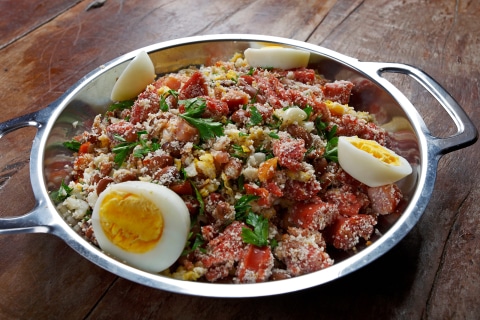
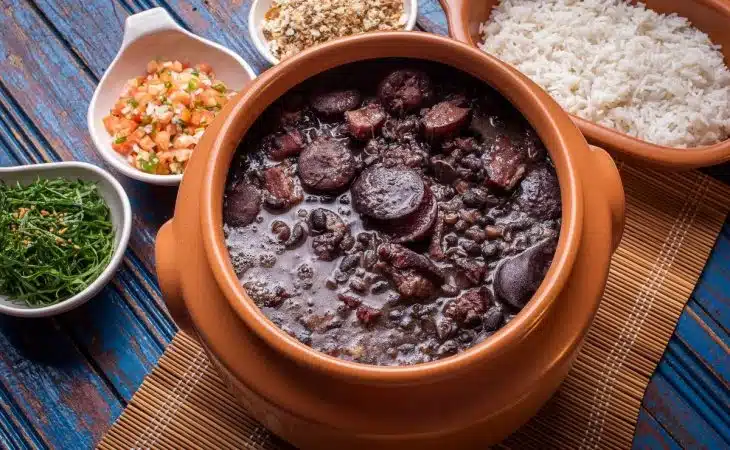
In Rio, cuisine reflects a blend of cultural influences and a strong connection to the sea, where feijoada has become a symbol of carioca culture, accompanied by seafood dishes and the boteco tradition, with snacks such as cod fritters and pastel, composing a vibrant cuisine that balances tradition and creativity.
Discover more about gastronomy and its impact across different destinations in Brazil:
Mato Grosso do Sul
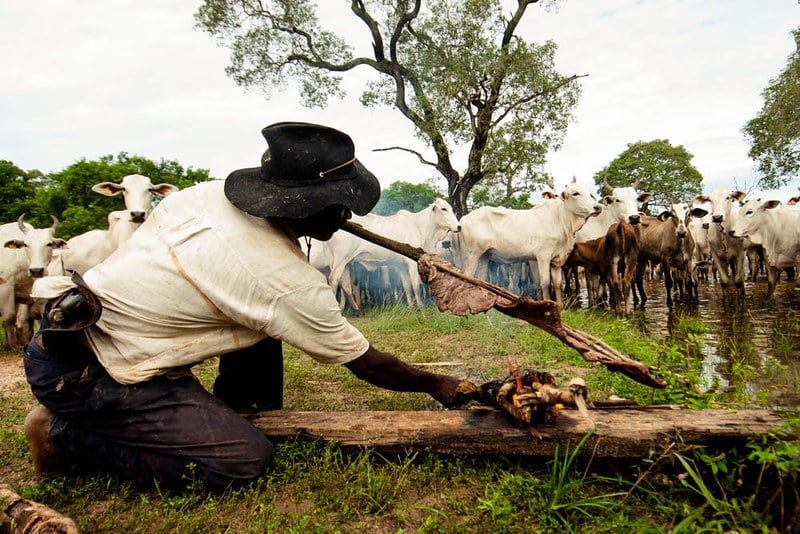
The cuisine of Mato Grosso do Sul is shaped by the influences of border communities, especially Paraguayan and Bolivian cultures, as well as the heritage of settlers from São Paulo and Minas Gerais who arrived in the region. Its gastronomy is defined by authentic flavors and a strong connection to the surrounding natural environment.
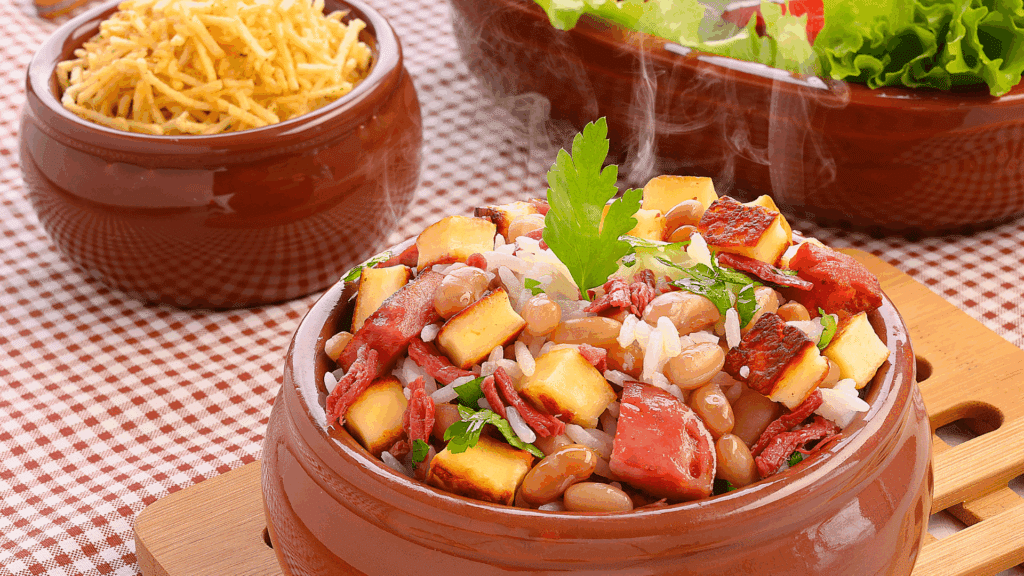
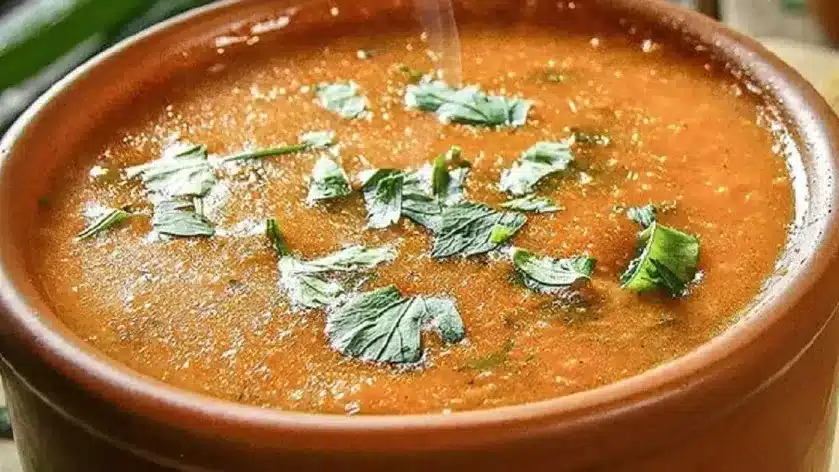
The use of regional ingredients, such as Pantanal fish, especially pintado and pacu, yerba mate, and pequi, reinforces the bond between cuisine and the Pantanal and Cerrado biomes. More than nourishment, the gastronomy of Mato Grosso do Sul tells stories, expresses identities, and celebrates the union of different peoples who helped shape the region’s unique culture.
Among its most emblematic dishes is arroz carreteiro, inherited from the muleteers who crossed the territory, and Pantanal-style barbecue, a symbol of hospitality and rural life. Sobá, of Japanese origin, gained prominence in Campo Grande and became one of the state’s main gastronomic icons, representing the influence of Eastern immigrants.
São Paulo
São Paulo is known as a state where different cultures and nationalities coexist in one place, and its gastronomy reflects that diversity. Its cuisine has roots in Indigenous influences, which introduced ingredients such as cassava, corn, fish, and smoking techniques.
With the arrival of the Portuguese during colonization, new cooking methods were introduced, along with wheat and seasonings, which soon blended with African culinary traditions. Portuguese techniques and Indigenous ingredients merged with spices, one-pot dishes, and new meat preparations.
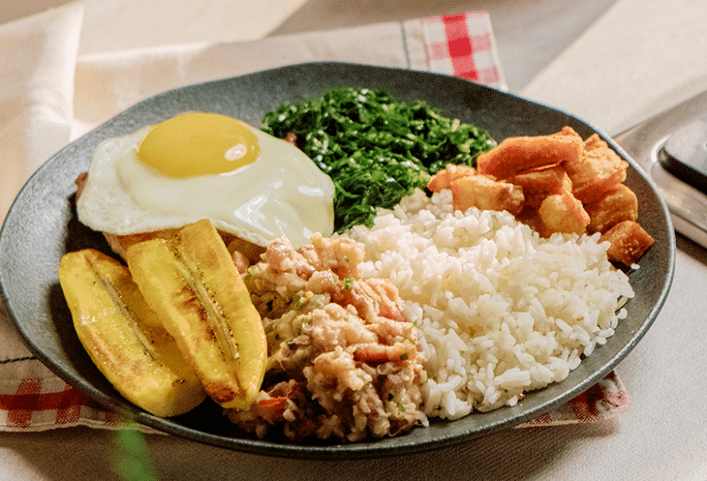
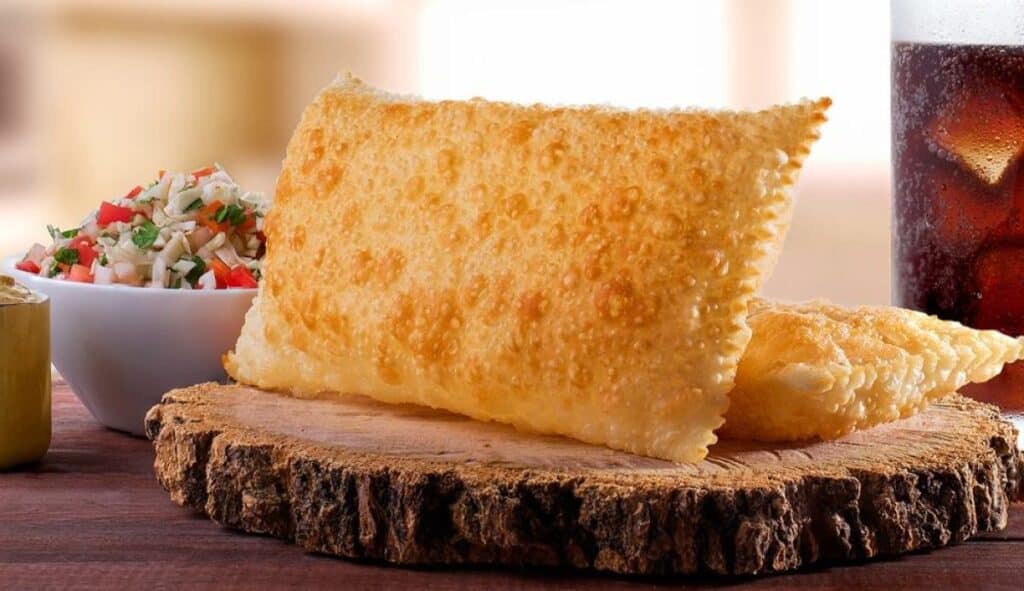
As the city grew and immigrants arrived from other Brazilian states, especially from the Northeast, as well as countries such as Japan and Italy, São Paulo’s cuisine expanded even further, incorporating new memories, stories, and techniques.
Although they may seem simple, many traditional dishes in São Paulo carry deep historical roots, especially as they have been passed down through generations. Among the most traditional are virado à paulista, rooted in the customs of countryside communities and the bandeirantes; the pastel de feira, born from the influence of Chinese and Japanese immigrants; and the famous beirute sandwich, a reflection of Lebanese culinary influence.
Iguassu Falls
The cuisine of Iguaçu Falls is one of the city’s great attractions, as iconic as its famous waterfalls. Located at the triple border of Brazil, Paraguay, and Argentina, the city is a meeting point of cultures, flavors, and culinary traditions. This blend results in a rich, diverse, and multicultural gastronomy.
Among its highlights is Argentine barbecue, prepared with selected cuts and traditional techniques, and chipá, the Paraguayan cheese bread made with cassava and cheese. The strong presence of Arab immigrants has also brought specialties such as kibbeh, esfihas, and tabbouleh, which have become part of the city’s everyday food culture.
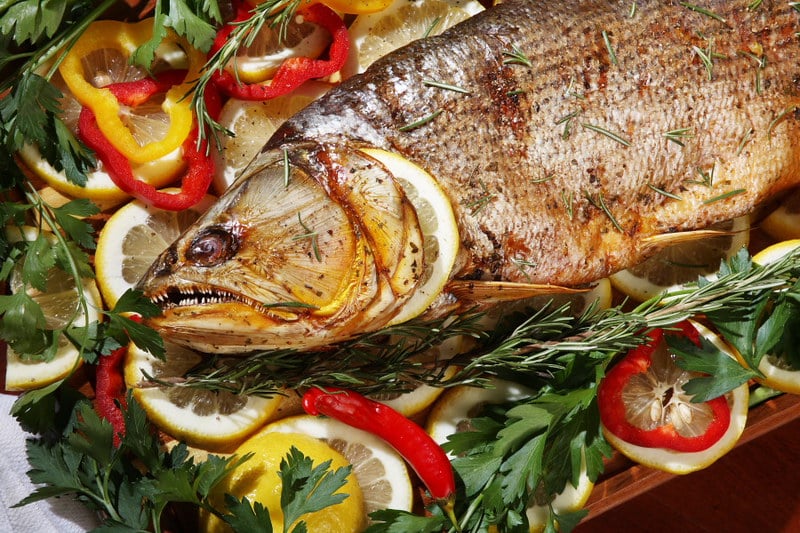
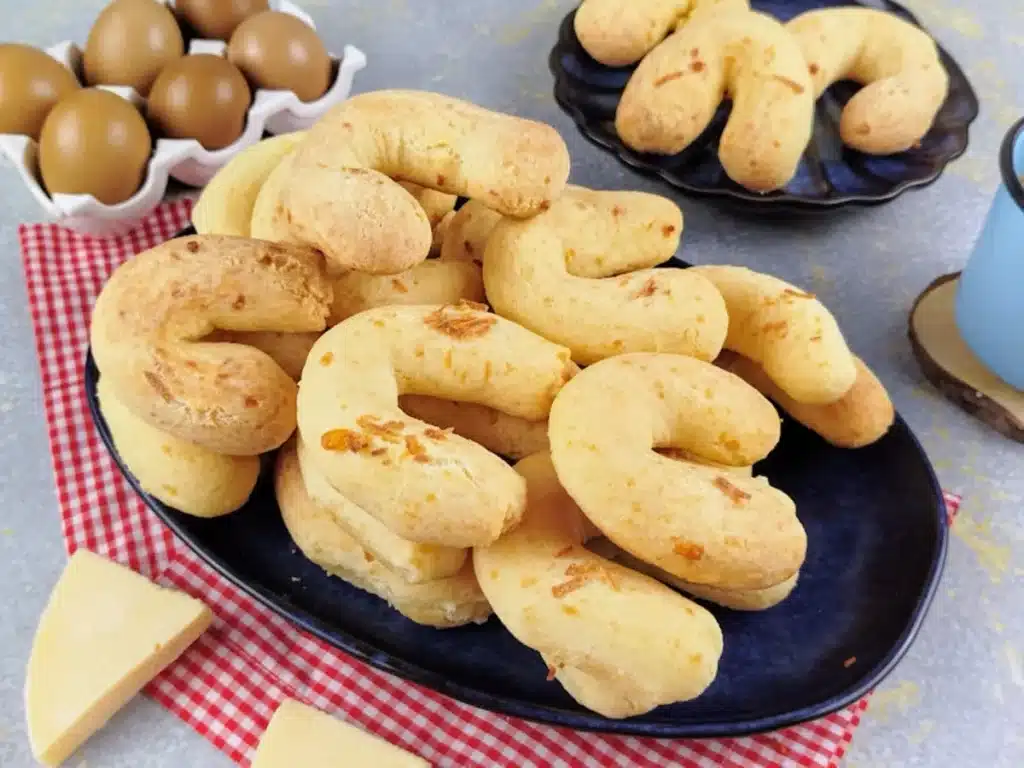
Brazilian influence appears in typical dishes such as feijão tropeiro, grilled fish, and cassava-based foods, an abundant ingredient in the region. More than a meal, eating in Foz means experiencing the meeting of three countries, three cultures, and countless flavors, a true celebration of the diversity that defines the city.
Brazilian gastronomy is, above all, an expression of the country’s soul. Every dish, ingredient, and seasoning carries part of the history, traditions, and identity of the peoples who shaped Brazil. From the backlands of Ceará to the coast of Bahia, from the Pantanal plains to the borders of Foz do Iguaçu, Brazilian cuisine reveals the power of cultural blending and diversity.
Contact:
Gisele Abrahao – gisele@globalvisionaccess.com
Anna Cecilia – anna.cecilia@globalvisionaccess.com