When people think of Brazil, the first images that often come to mind are the familiar stereotypes of samba, carnival, and soccer. While these elements are indeed part of Brazilian culture, our country is far more diverse — shaped by unique histories, identities, and traditions. Each state carries its own story and cultural essence, making every region distinct and incomparable.
Across Brazil, visitors are often astonished and enchanted by the immense variety of cultures, traditions, and customs that coexist, revealing the beauty and individuality of every corner of the country.
Bahia
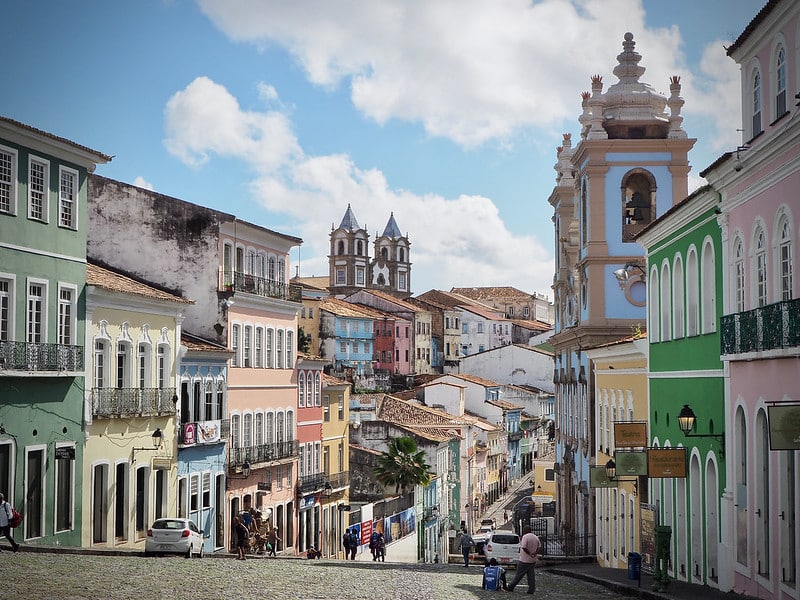
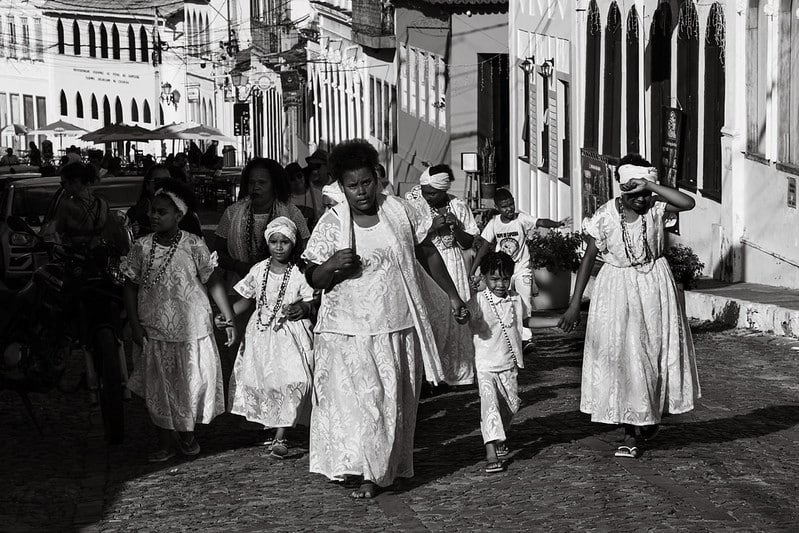
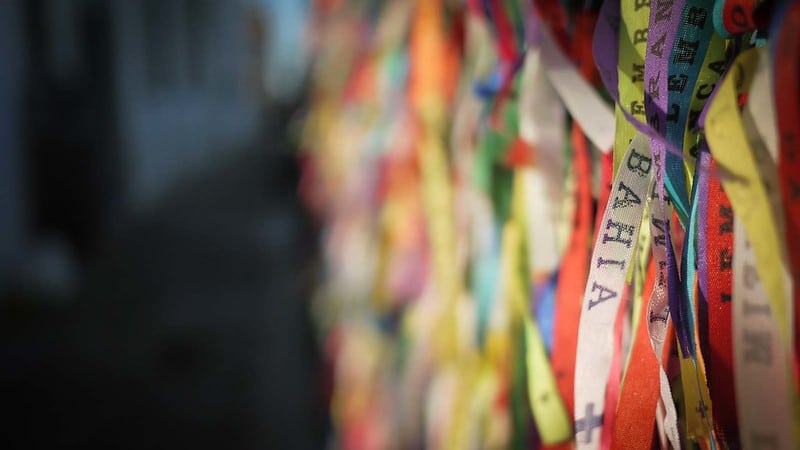
Bahia is known as the land of Brazilian ancestry — a state filled with history and rich culture that can be seen, felt, and experienced in every corner. What sets Bahia apart is the profound African influence visible in its traditions, music, religion, and annual festivals. Still, the Bahian identity is a complex blend of many peoples, reflected in its traditions and unique forms of expression.
The story of Bahian culture began with the first encounters between the Indigenous peoples who inhabited the region and the Portuguese colonizers. The customs and traditions of both groups laid the foundations of what would later evolve into Bahian culture. With the arrival of Africans brought to Bahia, their habits and values merged with the existing traditions, creating a rich fusion of three cultural roots — Indigenous, African, and European — that gave birth to Bahia’s multicultural identity.
This blend can be most vividly appreciated in Bahian cuisine — from acarajé to moqueca and vatapá — as well as in festivals like the Festa de Iemanjá and Festa do Senhor do Bonfim. Traditional dances, such as capoeira and the samba circles of the Recôncavo region, captivate audiences and tell the story of Bahia’s deep ancestral roots.
Mato Grosso do Sul
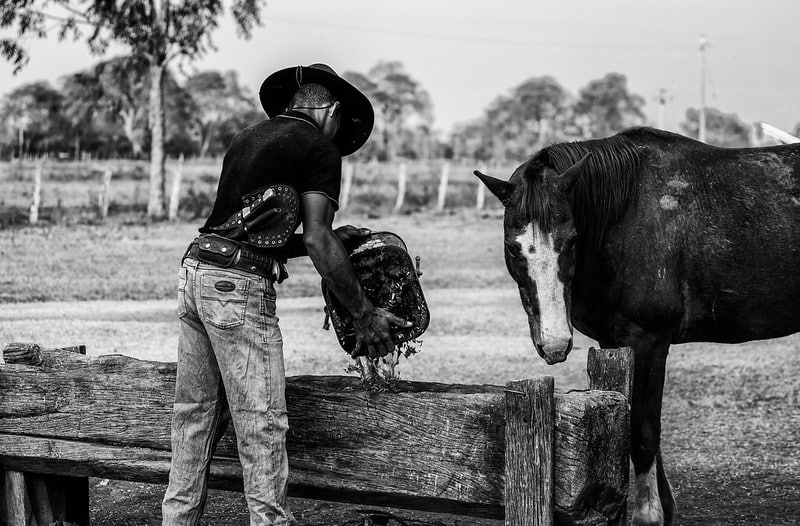
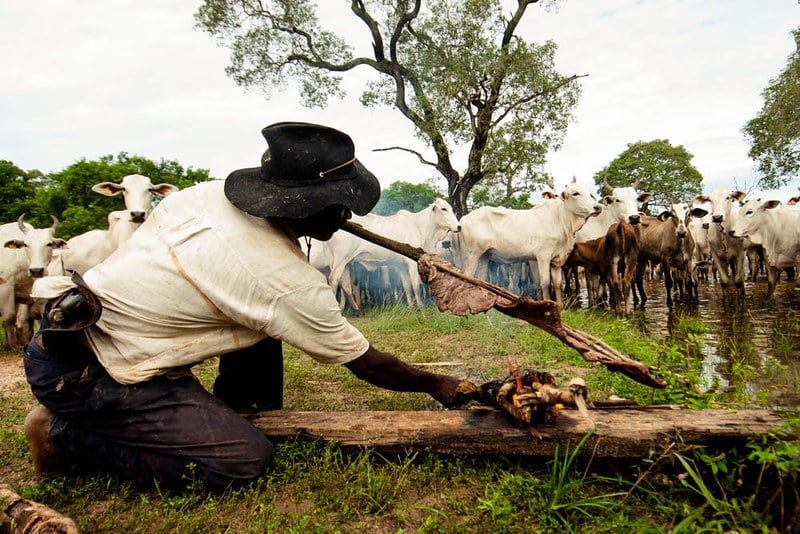
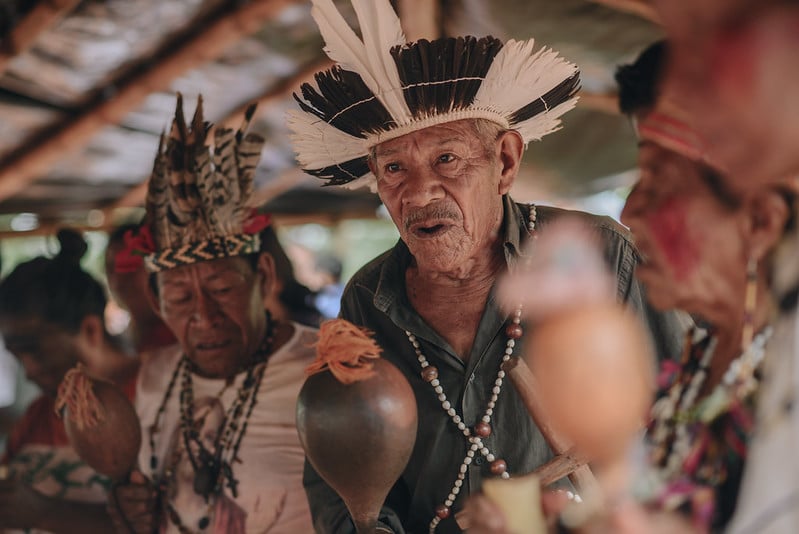
Beyond its iconic Pantanal wetlands, the culture and history of Mato Grosso do Sul reflect the vast diversity of the peoples who have shaped its identity. The charm of the state extends beyond its landscapes — it lies in its multicultural essence.
Rooted in the early interactions between Portuguese settlers and Indigenous groups during colonization, the state’s culture was later enriched by immigrants from various countries and regions. This mix of influences has been preserved and celebrated by the people of Mato Grosso do Sul.
The harmonious blend of Gaucho, Paraguayan, Bolivian, Japanese, and Indigenous traditions — seemingly different yet deeply connected — has created a unique cultural identity found only in this region. This diversity can be experienced through its rodeos, celebrated in major local events, its cuisine, and its living customs.
Ceará
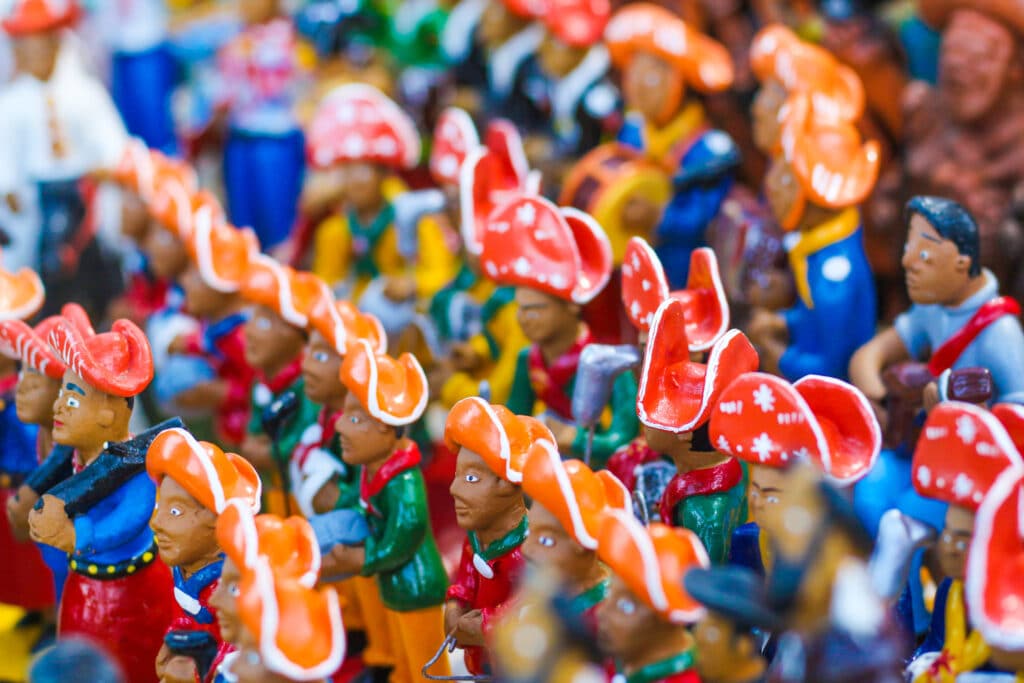
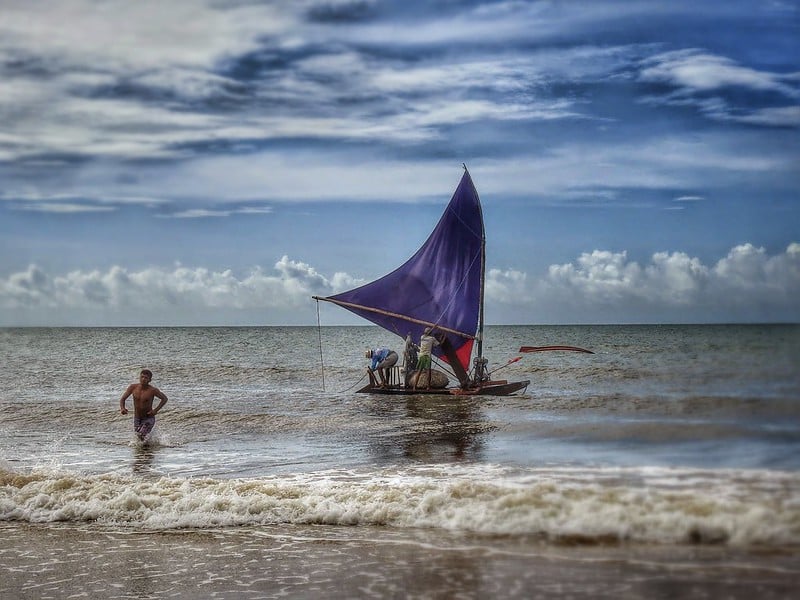
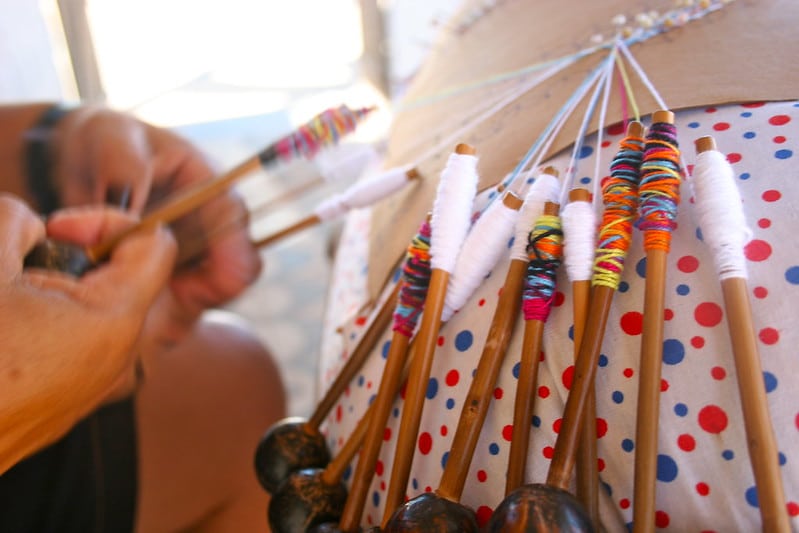
The culture of Ceará is defined by a history of struggle and resilience — traits that have shaped its people’s way of life and identity. Ceará’s story is deeply marked by endurance, but also by creativity and diversity, born from centuries of cultural exchange.
From the first encounters between the Indigenous peoples and the Portuguese to the later arrival of Africans, these early interactions laid the foundation for Ceará’s unique cultural blend.
This convergence of such distinct influences can be seen in the state’s music, dance, cuisine, museums, festivals, and artistic expressions — all of which keep Ceará’s history alive and celebrated.
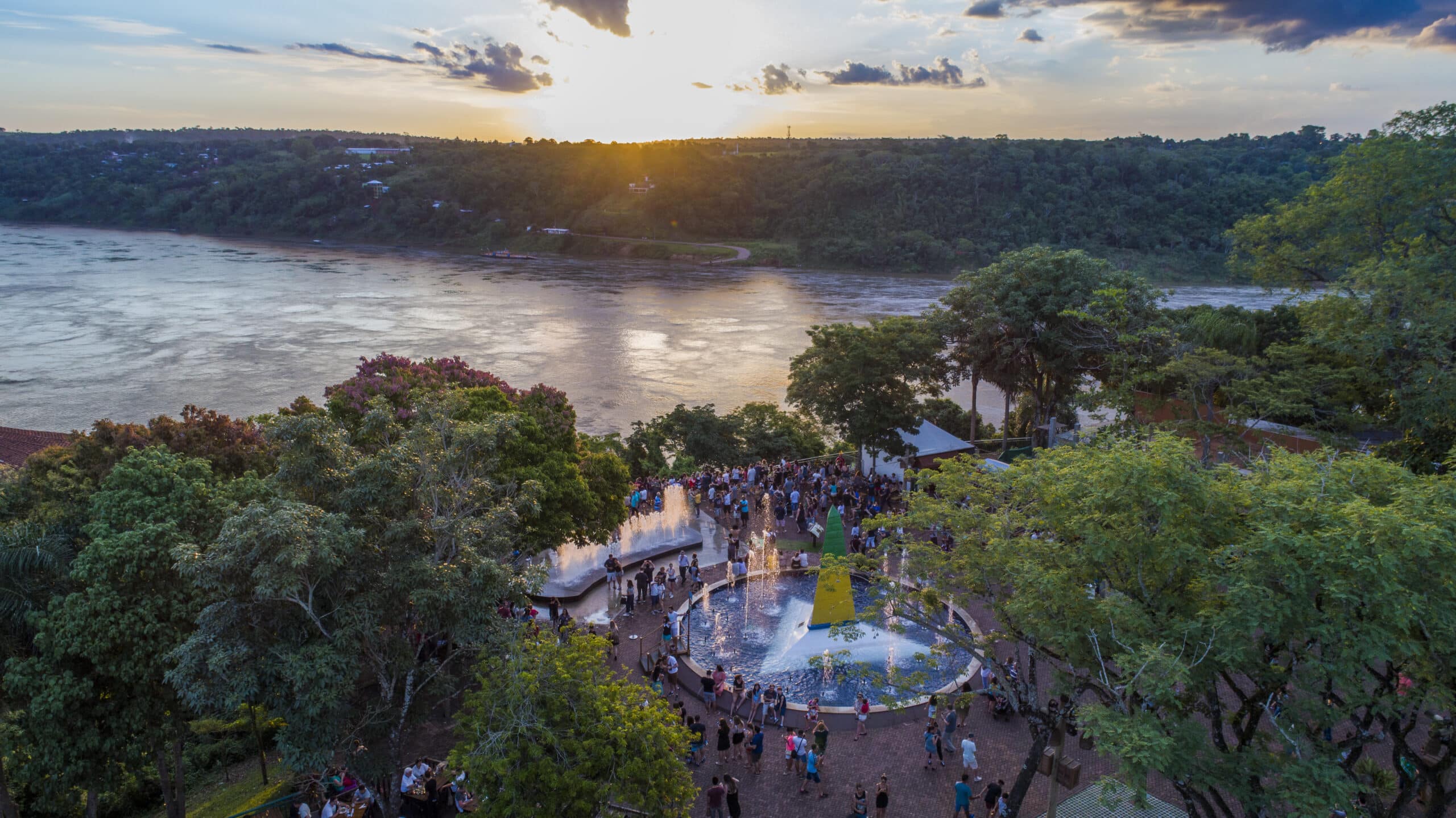
Iguassu Falls
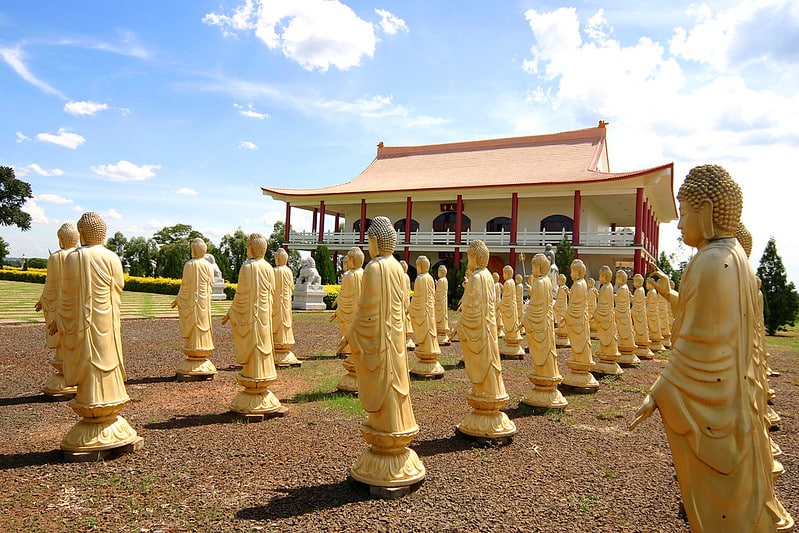
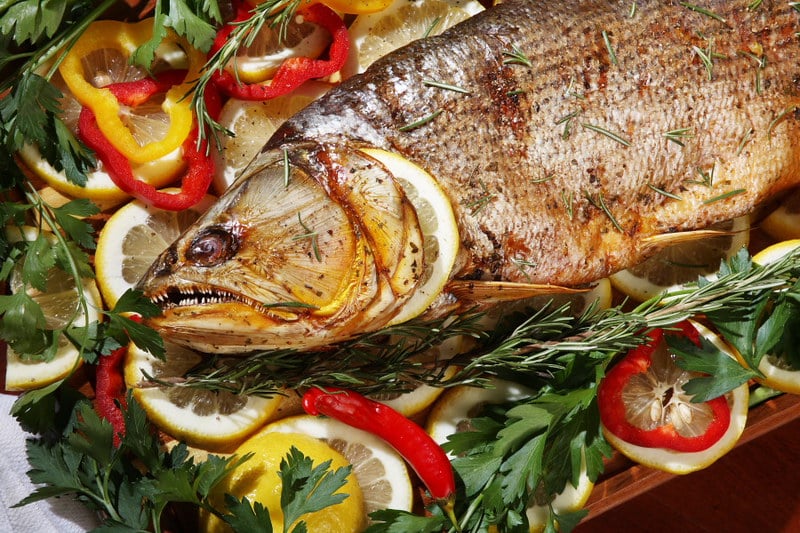
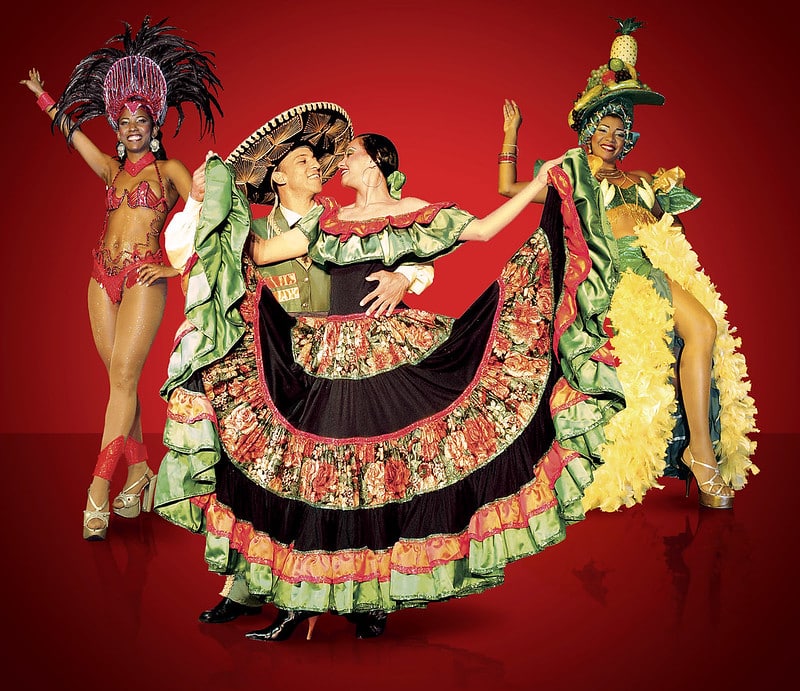
Iguassu Falls is a sacred land — a territory pulsating with ancestry and multiculturalism. Long before the Portuguese and Spanish arrived, it was home to Indigenous peoples whose legacy remains alive in the region.
These early encounters were the first of many cultural exchanges that shaped Foz into what it is today. Over time, waves of immigrants — Paraguayans, Argentinians, Arabs, Chinese, and others — added new layers to its identity. The result is a city enriched by contrasts and connections between diverse cultures.
The fusion of such different traditions has shaped Iguassu’s identity, which remains vibrant and significant to this day. Beyond its natural wonder — the majestic Iguaçu Falls — stands out for its diverse character, artistic expressions, and the living heritage of its peoples that continue to honor their ancestral roots.
For travel professionals seeking to transform Brazil’s potential for well-being into authentic itineraries, Blumar Turismo — one of Brazil’s most experienced and respected destination management companies (DMCs) — offers its expertise to help international travel agents and tour operators translate Brazil’s cultural diversity into unforgettable travel experiences.
More than the stereotypes often associated with it, Brazil reveals that each state is unique, diverse, and defined by its own stories and characteristics — proof that our richness lies in the details, and that diversity runs deep in every aspect of who we are.
.
Text written by: Ana Carolina Lack